 Maryland Car Accident Lawyer Blog
TAKE PHOTOS OF THE ACCIDENT


 With smartphones everywhere, Maryland accident victims have the ability to record and document almost every aspect of an accident, almost in realtime. It’s no surprise that witnesses in auto accident cases are scarce, negligent drivers frequently lie about what happened, and testimony in at trial is inconsistent. So what’s a judge or jury to do?
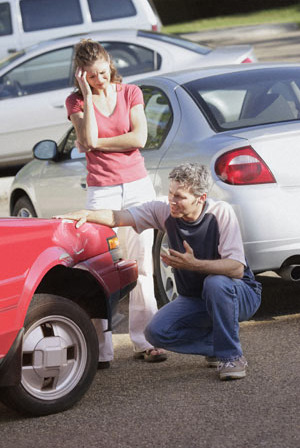
Ideally, the judge or jury will have the opportunity to look at the vehicles, the accident scene, and overhead maps of the collision site. People involved in a collision should take pictures of their cars, the other driver’s cars, and important landmarks that show where the accident occurred. Those photographs should include close-up shots, and wider views (you’d be surprised how hard it is to determine what a narrow angle shot shows). Pictures of the damage are important, but so are pictures of non-damaged areas.
What do these photos show? They can help a judge or jury to determine the exact area of impact, that is, where the cars came into contact. This can be crucial to determining who was at fault. They can help to show how bad the collision was. To be fair, though, the extent of damage does not always correlate with actual physical injuries. We’ve all seen people walk away unharmed from serious accordion-style wrecks; and we’ve also seen people require multiple surgeries from mere “bumper-tap” cases. But, high damage will almost always help in an effort to secure damages.
 Attorneys are an argumentative bunch. We disagree on many things, so when we agree on something, you should take notice. Something we agree on–don’t give a recorded statement to the insurance company after an automobile collision. It doesn’t matter if it is your insurance company, or the negligent driver’s insurance company.
 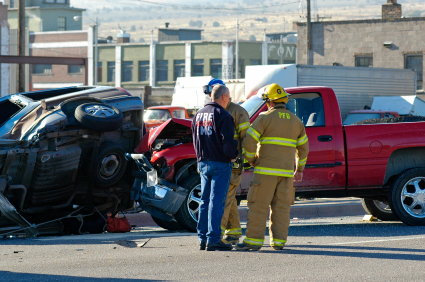 Lawyers, like high-pressure used-car salesmen, want you to sign on the dotted line right away. Like all businesspeople, they understand the value of inertia–if you don’t hire them now, then it’s not likely that you’re going to hire them later.
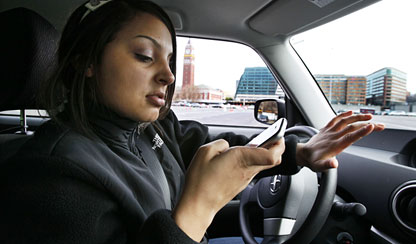
 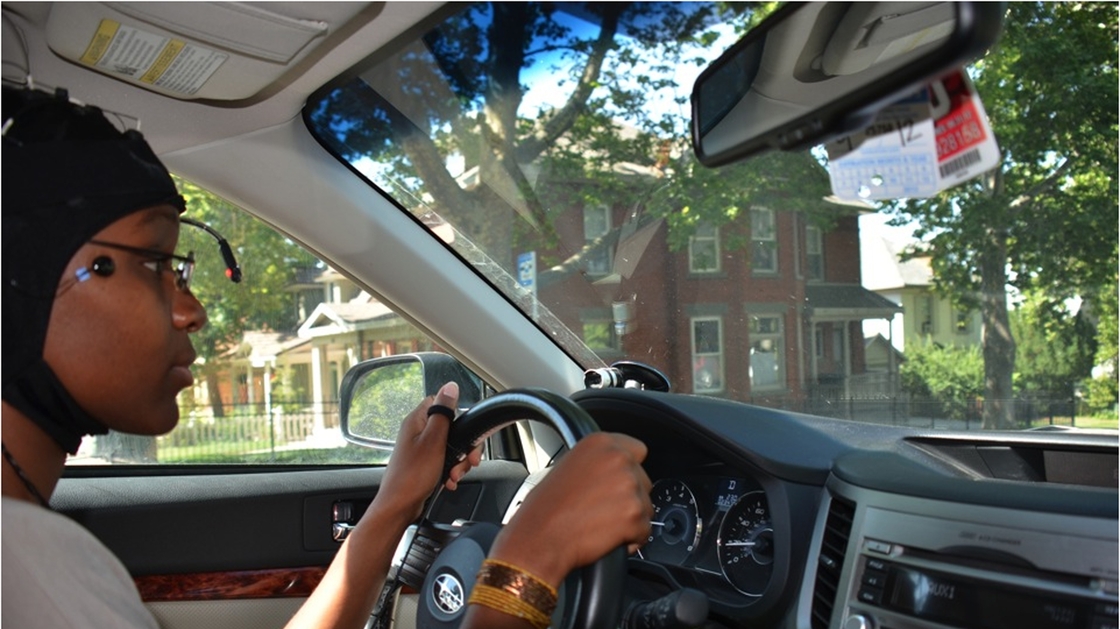 The laws of most states are coming around to what public perception (not to mention science) understands very clearly–drivers are distracted when they use handheld cellphones for talking, texting and e-mailing. Those distracted drivers are more likely to cause accidents. Most states have some sort of cell phone laws. In Maryland, for example, we prohibit the handheld use of cell phones for any purpose (even while stopped at a red light).
 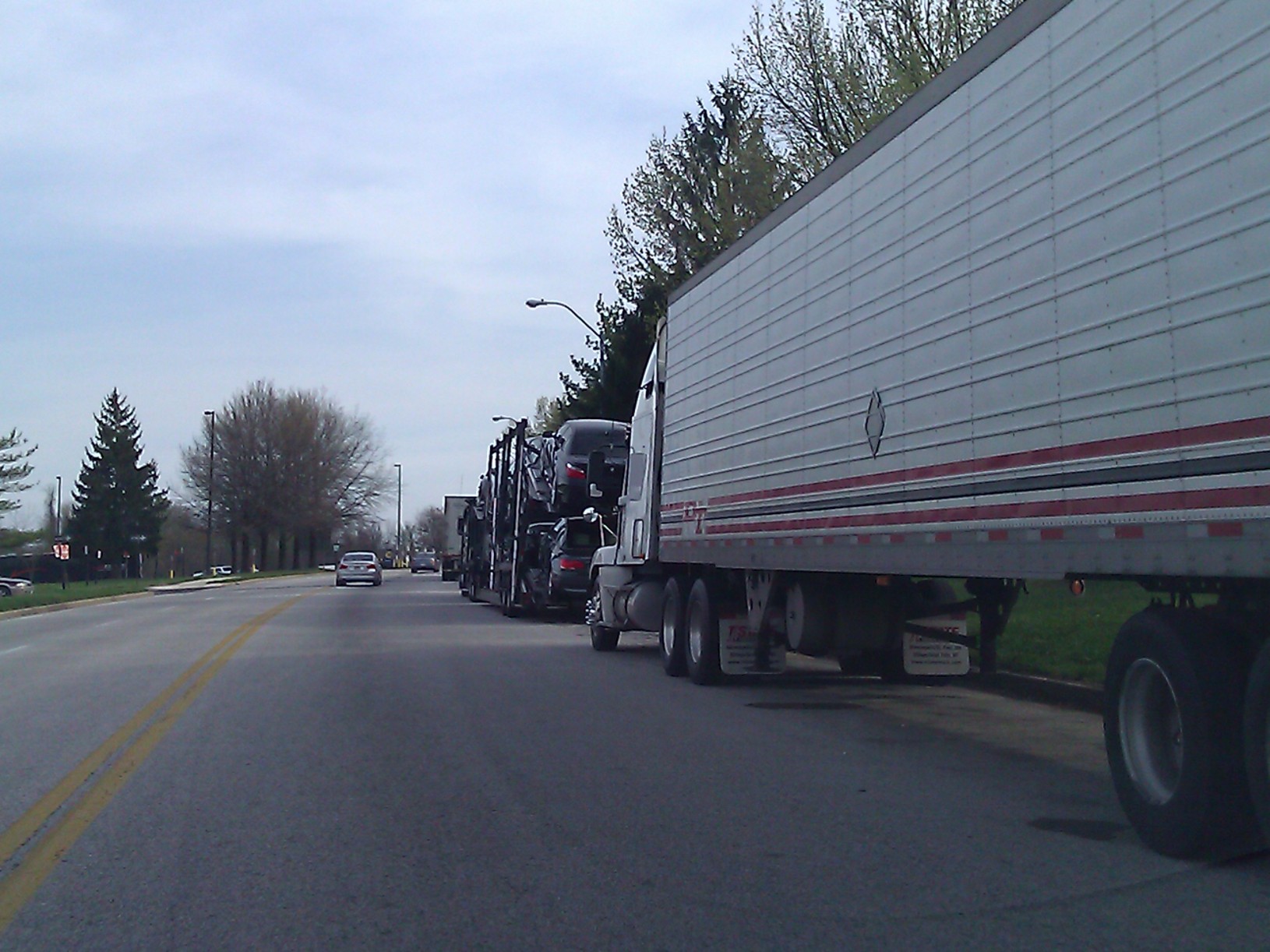 Often when an auto accident involves a business vehicle, there are two specific types of claim that should be alleged against the business–the first is that the business is liable simply by virtue of employing the negligent driver; the second is that the business is liable because it did something incorrectly.
  I am not unmindful that, in this business, I profit from the misfortune of others. Sometimes when clients are asking me questions about medical treatment I tell them that what is good for you (getting better quickly) is bad for your legal case, and vice-versa. Honestly, I wish that all of my cases were small, basic soft-tissue cases that resolved after a short week or two of treatment.
  Because accidental injuries are unexpected, the need for a good lawyer can be immediate and unplanned. Too often people randomly select lawyers based on a television ads, phone book ads, or internet marketing. Selecting a lawyer solely on the basis of advertising precludes a well-balanced understanding of the lawyer’s actual capabilities.
  Maryland has a rule called collateral source. This is an important part of making sure auto accident victims get full value for their claims. It is the reason that accident victims can recover for medical expenses and lost wages through their personal injury protection (PIP) insurance (see our