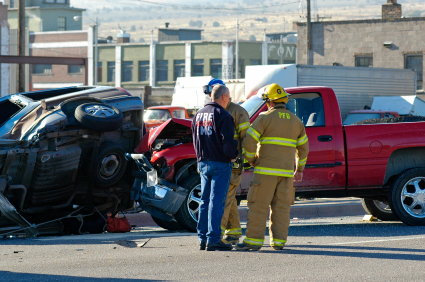
 I’ve had a few sad cases recently. In each case, my client was injured in an accident. In each accident, there were other people injured, as well. My clients went to the hospital, and were treated for their injuries. Neither of my clients had health insurance. Neither of them had UM/UIM insurance (neither of them drove a car, and neither lived with a family member who drove a car).
After they finished medical treatment, we sent demand letters to the insurance companies. In each case, the adjuster informed us that they could not settle our claims because there were limited insurance proceeds available, and that other victims were either still treating or hadn’t submitted their demand packages, yet. The limited insurance proceeds were in compliance with the Maryland minimums–$30,000/$60,000. That means that the most any one person in an accident can recover is $30,000, with the total allowed for all people in a single accident as $60,000.
So, not wanting to wait, we filed lawsuits. Other victims of each collision did, as well (though not all). When it was time for the insurance company to answer the complaint in one case, and when their discovery responses were overdue in another, they cried “uncle.” They tendered policy limits in each, and washed their hands of the whole matter saying “you plaintiffs divide it up.”
 Maryland Car Accident Lawyer Blog


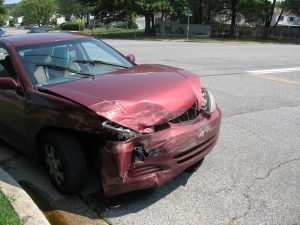 So you were in a car collision (we don’t call them accidents at trial, because it makes them sound unavoidable, or gives the impression that it was minor), and you’ve looked online, talked to friends, interviewed lawyers on the phone, and found one you like.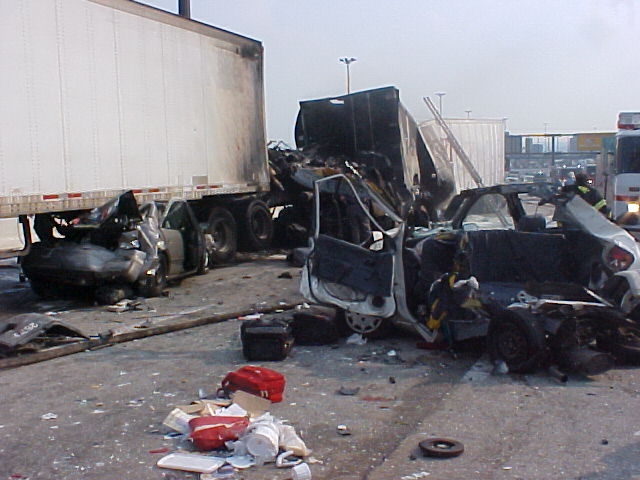
 Maryland allows auto accident victims to recover for non-economic damages. These are injuries that cannot be easily calculated, and they include items as stated in the typical jury instructions:
 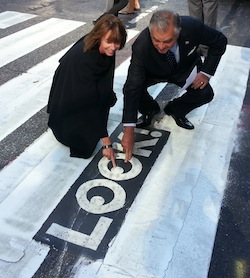 Oftentimes, pedestrian-versus-car accident cases are among the toughest to litigate. It’s rare that we see that perfect liability scenario:
 This post won’t go into detail about whether you can or should handle a Maryland auto accident lawsuit by yourself–that’s a post for a different day (for information about filing a lawsuit on your own, see the
  Most auto accident lawyers hate filing MAIF claims. First, there are a lot of hoops to jump through, including a 180-day notice requirement that, if not met exactly, can capsize the entire claim. Second, MAIF uninsured claims are limited to $30,000 per person and $60,000 per accident (
 None of them should be texting. We’ve blogged before about
  We’ve all heard about