 Maryland Car Accident Lawyer Blog


 It’s an increasingly connected world that we live in. An important part of that connection is electronic—most of us interact with others electronically through social media: Facebook, Instagram, Twitter, and SnapChat, to name a few. Of course, there are also e-mail messages and text messages.
This is how we communicate with our family, friends, and the 10,000 other people who have friended us. It’s fun to have an online presence, we encourage you to do so, if it is something that works for you.
But if you have a personal injury claim, we need to talk. The title is a bit harsh—you don’t need to cut all ties with online social media, but you do need to be careful. The problem, from my perspective, is context. As a lawyer, I will search for the social media posts of my adversary. We saw a post once from a defendant (who denied causing the accident) that said (and I’m paraphrasing for a G-rated post, here), saw a beautiful woman on the street, and got into an accident. Now, maybe he was distracted, and the accident caused because his attention was elsewhere. Maybe he was just trying to be funny, or make light of a serious situation because that the type of humor he has. I don’t know. But I can tell you that it was important evidence to show the jury, and that they didn’t trust his story at trial.
 Trial is scary. If you have a trial, and you’ve never been, you probably have some anxiety about the whole thing. Where do I sit? What questions are going to be asked? Can I bring notes?
 In most cases, there will come a time when your lawyers have negotiated the settlement offer as high as it will go—the insurance adjuster or defense lawyer tells us that there will be no further offers (whether true or untrue—we’ll help you determine whether we believe it or not). The question becomes: Do I settle or move forward.
 Don’t ever buy insurance with a family exclusion. Here’s how it worked for a recent client of mine:
 Insurance is an interesting thing. You pay regularly (monthly, or semi-annually) to protect your family when they get hurt, and to protect other people that you may accidentally hurt. However, many of our clients are steadfast in their efforts to avoid using their own car insurance at any cost, fearing an increase in their insurance rates. What’s the point of having insurance if you don’t use it when you need it?
 Every now and then we get a call from someone who has been slugging it out with the insurance company on their own in an effort to save legal fees and handle it themselves. These calls often come at the time that negotiation is wrapping up because the callers want some advice about whether the settlement offer is a good one. We try to be helpful to people who call us, and we take the position that lawyers should be responsible members of the community, so we will usually try to give some helpful general advice. The truth that some lawyers won’t tell you is that yes, you can settle your own personal injury case. Here are some criteria to determine whether you forgo a lawyer and
 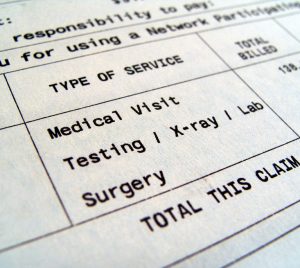 An Authorization and Assignment (frequently abbreviated as an “A&A,” or called a “letter of protection,”) happens when a medical provider agrees to hold off on collections proceeding until after a personal injury case is resolved (whether by way of settlement or a verdict).
 Frequently, new clients ask me where they should go to the doctor. I give the usual disclaimer—I’m a lawyer, not a doctor (it’s a reverse Leonard McCoy, M.D.). But, I can offer suggestions.
 Pre-settlement loans are the scourge of plaintiffs’ lawyers for a couple of reasons. The first is that they take so much time—shepherding an application from beginning to end, working out details of the money transfer, and making it all happen in time to help the client with the financial emergency that they are having—it can easily add hours to a case. That wouldn’t be so bad, but for the second reason—loans are often an expensive waste of money for our otherwise deserving clients.