 Maryland Car Accident Lawyer Blog
It’s not an accident, it’s a collision


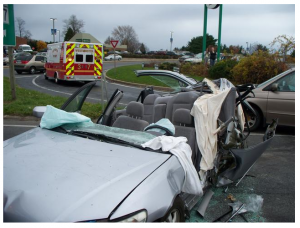 Do a search for auto accident lawyers, and you’ll find a ton of us—really, it’s like law schools were designed to pump out personal injury lawyers with the speed of widget-making machine. Most of them have one thing in common—something that has always bugged me. They call it an automobile “accident.” I’m guilty of it—it’s hard to avoid that alliterative phrase.
Here’s the thing: the word accident somehow makes it sound forgivable. In the religious or moral sense, that’s fine. But in the legal sense, just because someone hurts someone else because of a mistake, it doesn’t absolve them of having to make up for it. Sometimes we all fall back on the accident jargon, but better word is, simply, collision. The flip side of the “accident” coin is a phrase that I do like: personal responsibility.
If I do something wrong, I have to make up for it. That’s how I was raised. That’s how I try to raise my three kids. That’s how we should all act. Insurance makes this easy—if I cause a collision, I pay insurance so my insurance company can help those people that I hurt. It might affect me a bit—a modest increase in my insurance premiums. However, it makes me feel much better to know that, whatever injury I caused, I can somehow remedy the situation, through my insurance company.
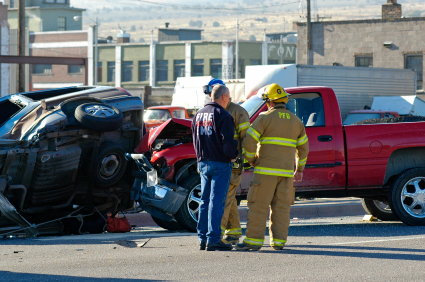 An automobile accident can turn your life upside down. There’s so much to do–find reliable transportation, get to the doctor, deal with insurance companies, and survive missed work. The easiest way to know if you have a claim is to consult with a lawyer–don’t let the insurance company convince you that you have a claim (they are, after all, looking out for their own best interests).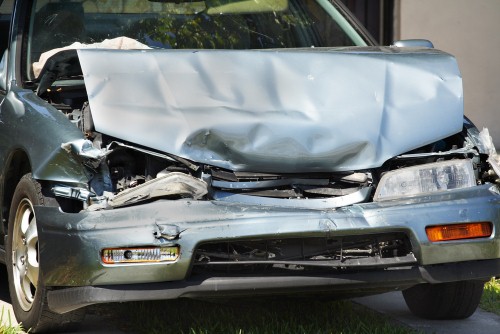
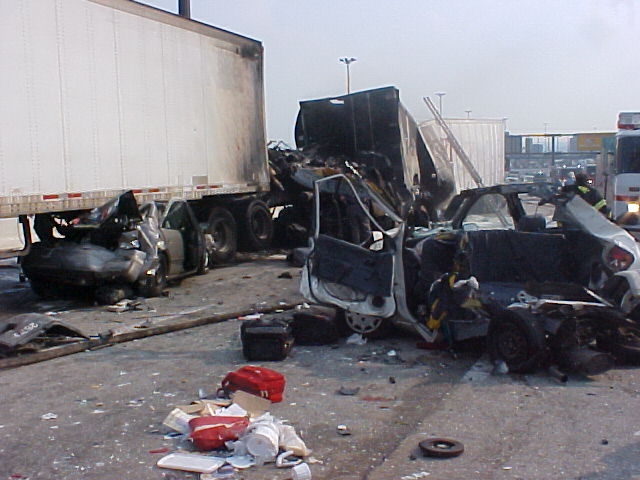
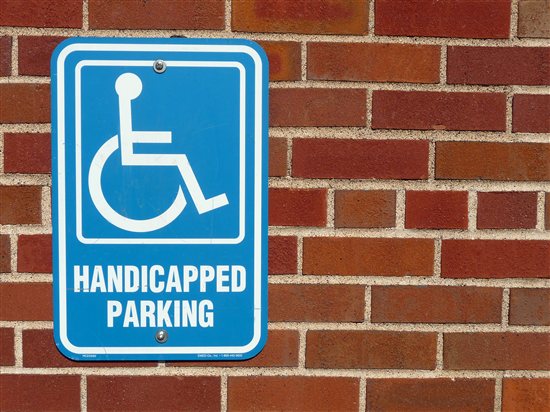 Permanent injuries take all forms, including traumatic brain injury (TBI), limited function of limbs, or severe organ damage. What they all have in common is that they significantly affect lifestyle and activities of daily living. Permanent injuries may require lifetime treatment and medication. In some situations, however, there is nothing medically to be done after the victim has reached maximum medical improvement.
  Memorial Day kicks off most dangerous one-third of the year for teen drivers (those from ages 16 to 19. The one hundred days from Memorial to Labor Day are risky-in 2012, there were almost 1,000 people killed in accidents involving teen drivers. Over half of those killed were teens, and this says nothing of injuries.
  Each state has at least one